Granuloma Annulare:
Causes, Symptoms, and Treatment Options
Common but often misunderstood — medically benign, non-contagious, yet its appearance raises questions. A clinically grounded, research-informed guide.
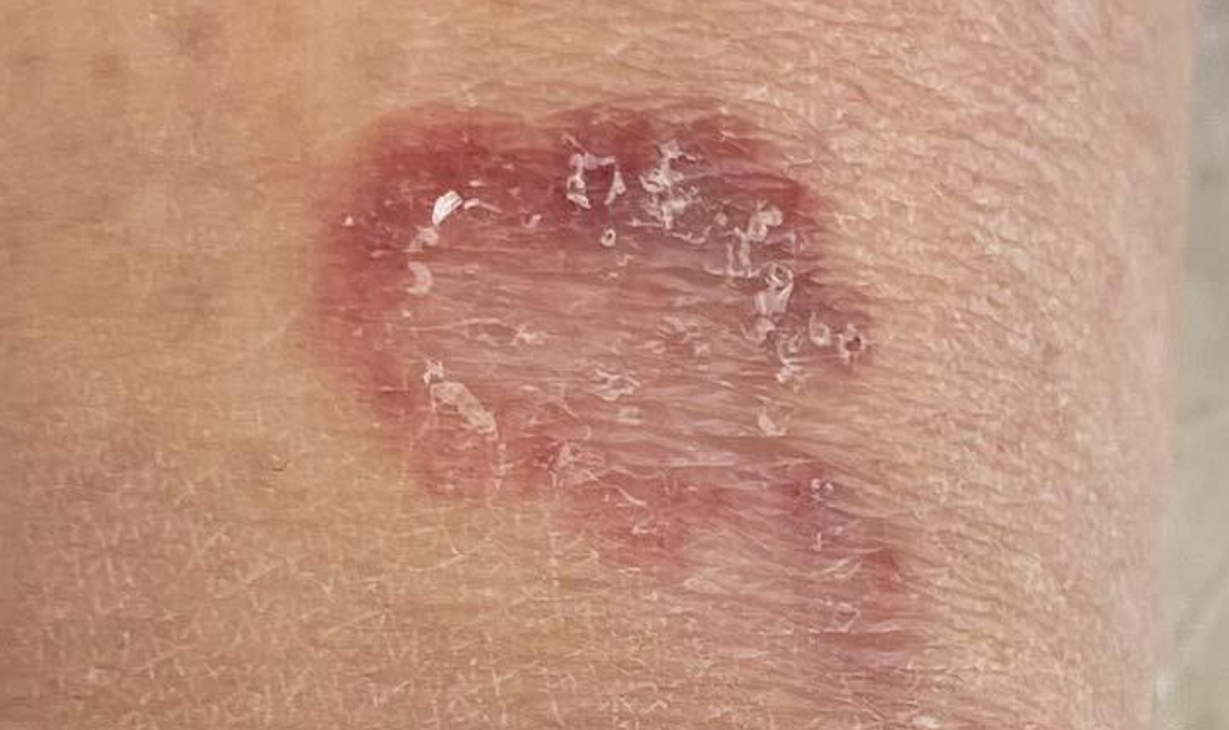
📘 What You'll Learn
- What granuloma annulare (GA) is
- Causes & potential triggers
- Clinical images & symptoms
- Medical & supportive treatments
- Smart skin care strategies
🔬 Key Facts
- Non-contagious inflammatory condition
- Often appears on hands, feet, wrists, ankles
- Small firm bumps forming ring-shaped lesions
- Immune dysregulation & JAK-STAT involvement
What is Granuloma Annulare?
Granuloma annulare (GA) is a benign inflammatory skin condition characterized by small, firm bumps that often form ring-shaped lesions. It commonly appears on hands, feet, wrists, and ankles.
Although the exact cause remains unknown, current research points to a delayed immune response, mixed T-helper cell activation, and JAK–STAT pathway dysregulation. GA is not dangerous but can cause cosmetic concerns or mild itching.
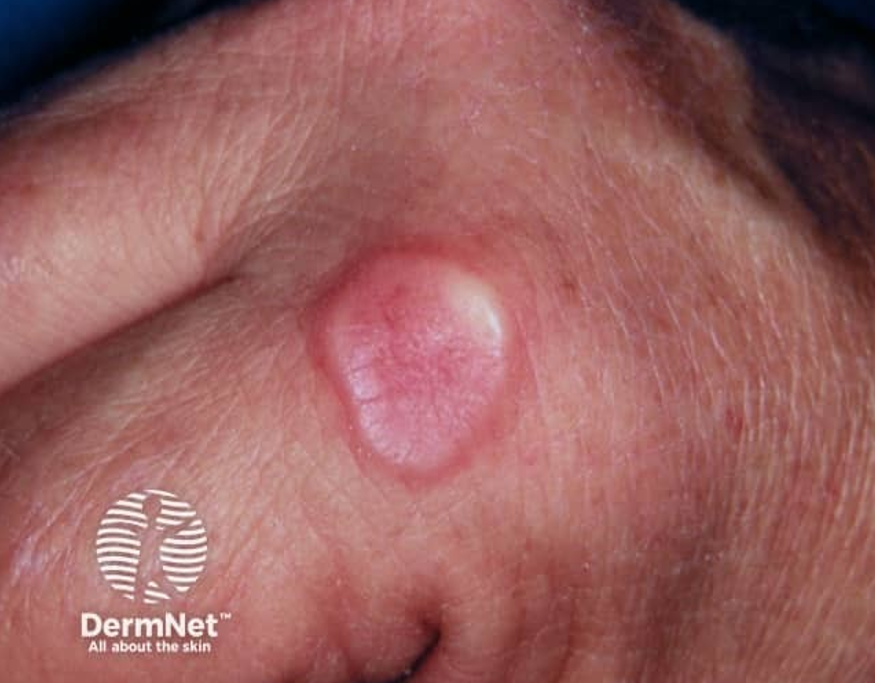
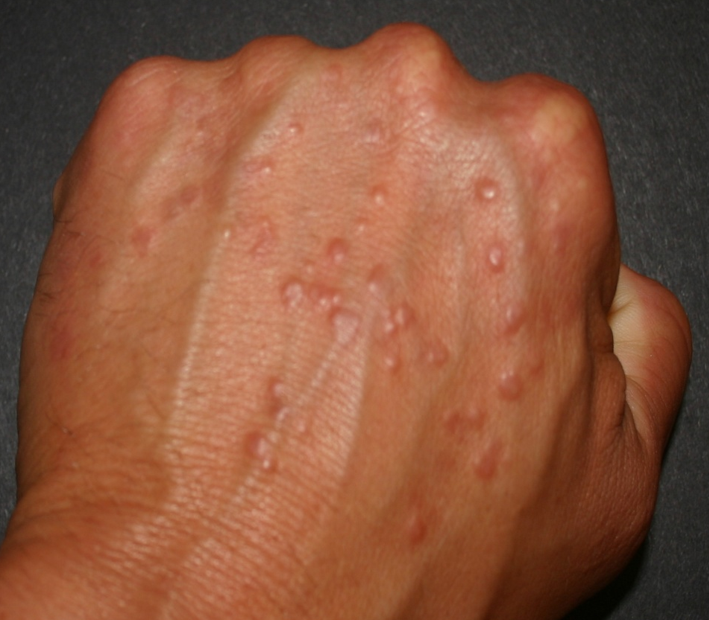
Early / mild presentation — small papules
📸 Symptoms & Clinical Appearance
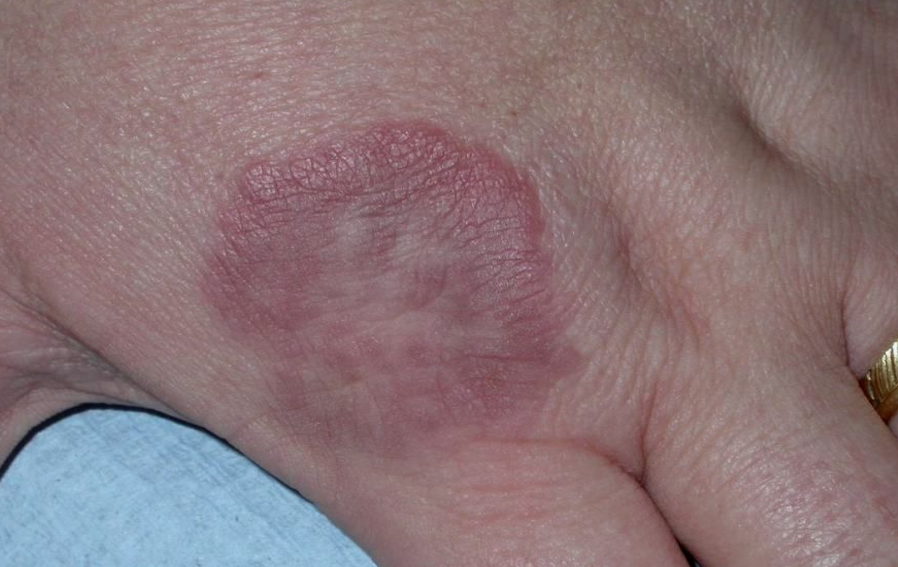
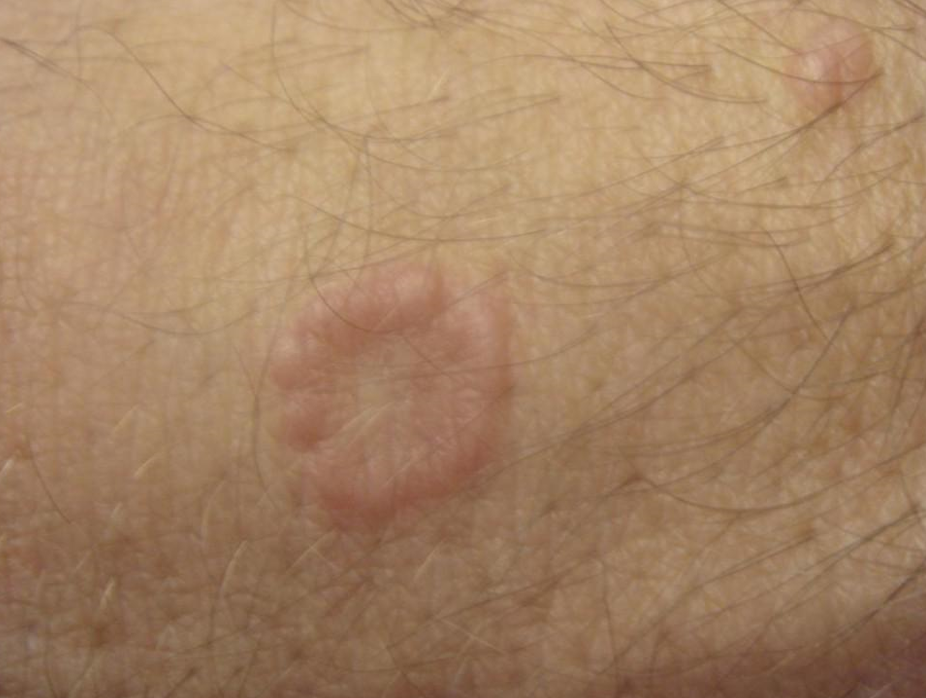
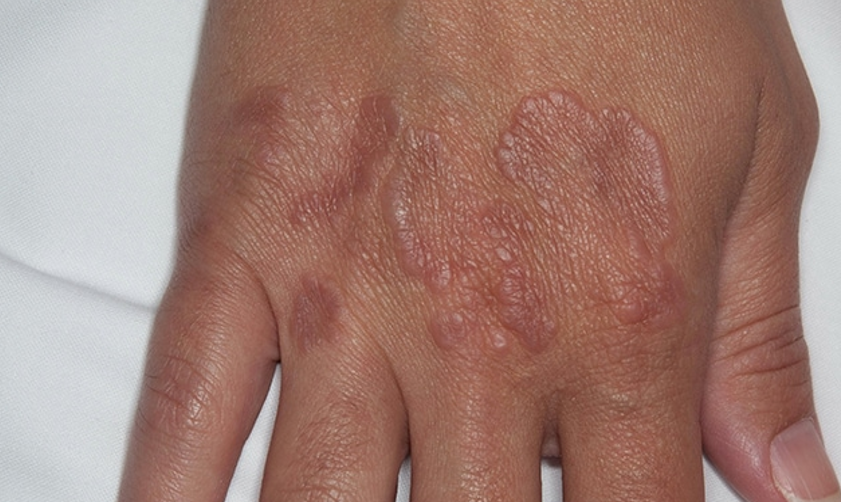
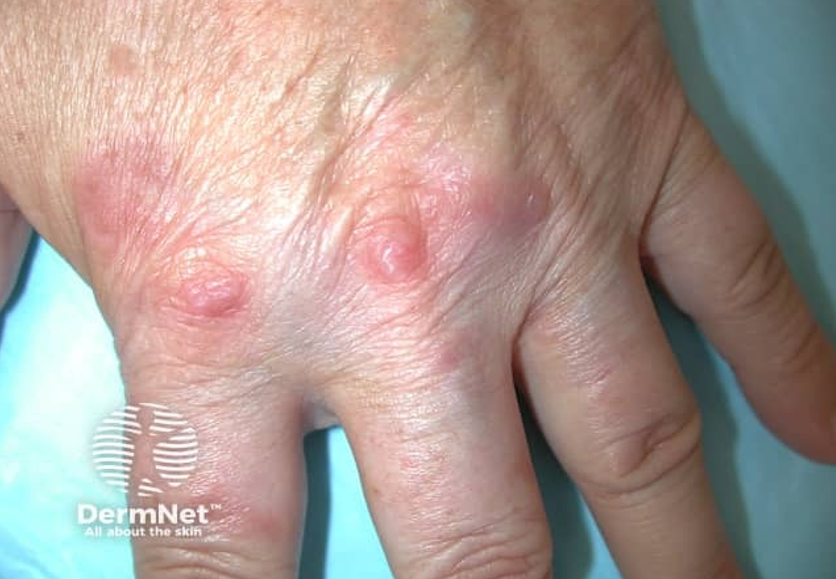
Where it appears: Hands, feet, wrists, ankles, trunk (generalized GA).
⚙️ Causes & Risk Factors
Potential Triggers
- Minor skin trauma
- Insect bites
- Viral infections
- Sun exposure
Associated Conditions
- Diabetes mellitus
- Thyroid disease
- Dyslipidemia
- Autoimmune diseases (rheumatoid arthritis, lupus)
📌 Types of Granuloma Annulare
most common (rings on extremities)
widespread, trunk/limbs
deeper nodules, often in children
rare, papules with central crust
flat, brownish lesions
💊 Granuloma Annulare Treatment Options
Treatment depends on severity, subtype, and patient preference. Many lesions resolve spontaneously, but therapies can accelerate clearance.
| Treatment | Potential Side Effects |
|---|---|
| Topical Corticosteroids | Skin thinning, stretch marks, hypopigmentation |
| Topical Calcineurin Inhibitors | Burning, redness, photosensitivity |
| Intralesional Corticosteroids | Local thinning, indentation, pigment changes |
| Cryotherapy | Blistering, pigment changes, rare scarring |
| Laser Therapy/Phototherapy | Redness, swelling, long-term skin cancer risk (PUVA) |
| Oral Corticosteroids | Weight gain, mood changes, elevated blood sugar |
| Antimalarials/Dapsone | GI upset, retinal toxicity (rare), anemia |
| Methotrexate/Cyclosporine | Liver toxicity, kidney toxicity, hypertension |
| Biologics/JAK Inhibitors | Infection risk, emerging evidence (JAK-STAT pathway) |
Some topical products (e.g., “Metabolic Formula for Skin”) have positive reviews, though no published clinical trials currently confirm safety/efficacy for GA. Always consult a dermatologist.
For more informations
🧴 Skin Care & Supportive Formulas
Recommended Practices
- Gentle cleansers & fragrance-free moisturizers
- Avoid harsh exfoliation & hot water
- Lukewarm showers, pat dry
- Sun protection to minimize inflammation
For more informations
Metabolic Formula for Skin
- Supportive topical care for skin function and balance
Healthy skin relies on cellular energy (ATP), nutrient delivery, collagen structure, and antioxidant protection. This formula aims to support hydration, barrier function, and antioxidant support.
Core ingredients: Amino acids (D-Ribose, Glycine, Leucine), Vitamin C+E, Sunflower, Jojoba, Rosemary oils, Magnesium.
🧬 Current Research & Medical Insights
🔬 Immune Dysregulation & JAK–STAT Pathway
Recent spatial transcriptomics (2025) reveal mixed Th1/Th2 signals, M1/M2 macrophage polarization, and prominent IFN‑γ, TNF, IL‑32 drivers in GA lesions. GA is now understood as a chronic immune‑mediated granulomatous disorder with JAK–STAT dysregulation - explaining why JAK inhibitors (tofacitinib) show promise.
🧬 Collagen Interaction & Remodeling
Studies from the Journal of Investigative Dermatology show high mRNA levels of type I/III collagen in GA lesions, with TGF‑β and IL‑1 driving fibroblast activity. Tenascin accumulation and patchy collagen degradation support a cycle of injury and repair linked to immune activity. Collagen dynamics are central to GA pathogenesis.
Systemic associations: large cohorts confirm links with diabetes, hyperlipidemia, and autoimmune diseases, reinforcing immune–metabolic interplay.
💡 Quick Answers
No, it's non‑contagious.
Localized GA often self‑limits in months to years.
No specific diet proven, but supporting metabolic health may help.
Emerging data shows positive responses for refractory cases.